8 Tips to Help your Child Build Meaningful Friendships
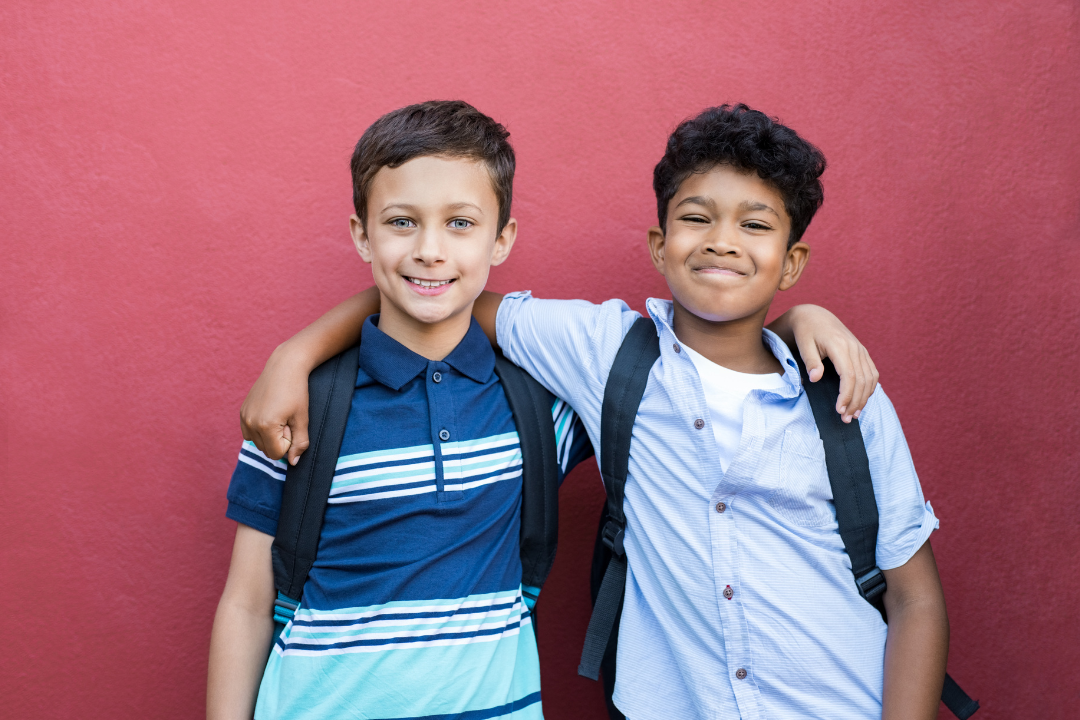
Friendships are a vital part of a child’s development, providing emotional support, boosting self-confidence, and teaching important life skills like empathy and communication. However, for some children, making friends and navigating social situations can be challenging. Whether your child feels shy, struggles to read social cues, or simply needs a bit of extra guidance, there are steps you can take to support them in building connections and developing social skills.
Recognising When Your Child Needs Support
Social struggles aren’t always easy to spot. While some children may openly express feelings of loneliness or frustration, others might show it in more subtle ways. Look out for behaviours like avoiding group activities, struggling to share or take turns, or preferring to play alone in social settings. If these patterns persist, it may suggest your child could benefit from additional support to develop their social skills.
The good news is that social skills can be taught and improved through practice. Understanding where your child is facing difficulties is the first step in helping them navigate the complexities of forming friendships.
Steps to Help Your Child Build Friendships
1. Teach Emotional Awareness
Strong social connections start with understanding emotions—both their own and others’. Helping your child recognise and label their feelings equips them with the tools they need to express themselves clearly and empathetically. For example, you might say, “It seems like you’re feeling disappointed because your friend didn’t want to play the same game.” This not only validates their emotions but also shows them how to articulate their feelings.
Encouraging emotional awareness also helps children better interpret social cues, such as recognising when a peer feels upset or excited, fostering deeper connections.
2. Create Opportunities for Social Interaction
Children benefit from consistent exposure to social settings where they can practise interacting with peers. Start with smaller, structured settings like playdates or activity-based groups. These environments provide clear boundaries and shared goals, making it easier for children to engage.
Consider enrolling your child in extracurricular activities that align with their interests, such as a sports team, art class, or drama group. Shared interests often create natural opportunities for bonding and friendship.
3. Model Positive Social Behaviours
Children learn a lot by observing how adults interact with others. Demonstrate behaviours like active listening, asking thoughtful questions, and resolving disagreements respectfully. During a conversation with your child, you could say, “That’s really interesting—tell me more about what happened!” This shows them how to express curiosity and engage meaningfully in dialogue.
You can also narrate your actions in social situations. For instance, “I thanked the shop assistant for helping me because I appreciated their effort.” Modelling these behaviours provides a concrete example for your child to follow.
4. Practise Social Skills at Home
Role-playing is an effective way to help your child develop and practise social skills in a safe environment. You can act out common scenarios, such as introducing yourself to someone new, joining a group activity, or resolving a disagreement with a friend.
Break these interactions down into manageable steps. For example, teach them to start with a friendly greeting like, “Hi, I’m [Name]. Can I join your game?” Practising these situations at home builds your child’s confidence and prepares them for real-life interactions.
5. Encourage a Growth Mindset
Social interactions don’t always go smoothly, and children may feel disheartened when they experience rejection or misunderstandings. Reinforce the idea that social skills, like any other ability, improve with practice. Celebrate their efforts, even if the outcome wasn’t perfect.
For instance, if your child tried to join a group activity but didn’t succeed, acknowledge their bravery: “I’m so proud of you for asking to join in. That was a great step forward!” Positive reinforcement helps them stay motivated to keep trying.
6. Build Their Confidence
Confidence plays a significant role in forming friendships. Help your child identify their strengths and encourage them to share these with others. If they’re a great storyteller, suggest they tell a funny story to their classmates. If they love drawing, encourage them to create artwork with a friend.
Focusing on what your child excels at not only boosts their self-esteem but also makes them more appealing to peers who share similar interests or appreciate their talents.
7. Teach Conflict Resolution
Friendships inevitably come with disagreements, and knowing how to resolve them is a critical skill. Teach your child simple conflict-resolution strategies, such as using “I feel” statements (“I feel upset when you take my toy without asking”) or suggesting compromises.
Guide them through conflicts by helping them see the other person’s perspective. For example, “It sounds like your friend was upset because they felt left out. What could you do next time to make them feel included?”
By learning how to handle conflicts constructively, your child will be better equipped to maintain healthy friendships over time.
8. Help Them Understand Rejection
Rejection is a normal part of social interactions, but it can feel particularly painful for children. Teach your child that it’s okay if not everyone wants to be friends and that this doesn’t reflect on their worth.
Encourage them to focus on forming connections with peers who appreciate them for who they are. Let them know that every experience, even a negative one, is an opportunity to learn and grow.

Helping your child navigate social challenges can be a rewarding but complex process. It requires patience, encouragement, and sometimes professional support. If your child continues to struggle despite your efforts, seeking guidance from a child psychologist can make a significant difference.
Stay connected with us on our socials (Facebook and Instagram) for more information, tips, and resources about raising a healthy, happy family. If you’d like to learn more about our services or schedule an appointment, feel free to get in touch - we’d love to hear from you!